What Makes a Good Property Deal?
The idea of a “good” property deal sounds deceptively simple – buy low, sell high, and pocket the profit. Yet anyone with real experience in property investment knows there’s more to consider than that. Markets can shift, demand can fluctuate, and even the most promising property can turn sour if the fundamentals aren’t right. So how do you actually know when you’re looking at a deal worth taking? There’s no single formula, but there are certain signals, patterns, and financial markers that separate profitable opportunities from risky ones.
Why Location Dominates Every Conversation
There’s a reason seasoned investors repeat the mantra “location, location, location.” It’s not just about postcode bragging rights or proximity to a trendy café. A strong location can underpin every other factor such as rental demand, resale value, and even the type of tenant a property will attract.
Take university towns, for instance. Properties close to campus often enjoy consistent demand, which is why investors keep a close eye on high-demand student accommodation options and developing neighbourhoods. But the key isn’t just the demand, it’s how sustainable that demand will be over the next decade. Cities that rely on a single economic driver can feel appealing now, but if that driver fades, so could the property’s potential.
What Defines The Right Price?
Not only is paying the wrong price dangerous, but it can set back your investment strategy by years. Too many investors mistake a cheap listing for a good deal, ignoring the reality that some properties are cheap because they lack growth potential or need extensive, costly renovation. The better approach? Compare the property to similar ones sold recently in the same area.
A genuine bargain can sometimes come from market mispricing, which might be due to upcoming infrastructure projects or a shift in local demographics. But here’s the challenge: spotting those signals early takes research, not guesswork. Identifying future potential is also uncertain and outcomes are not guaranteed.
How Do Yields Factor Into The Equation?
Cash flow is the lifeblood of property investment. A property that doesn’t generate enough rental income to cover its costs can quickly turn from an asset into a liability. Gross yield calculations (annual rent divided by purchase price) are a start, but they don’t tell the full story.
Net yield – where you account for maintenance, service charges, and other running costs – paints a more realistic picture. A property with a slightly lower purchase price but significant ongoing expenses isn’t necessarily a better deal. The smart investor considers both yield and capital growth prospects. A property with modest yield today but perceived appreciation potential might, in some scenarios, outperform one with a higher yield.
Invest in Greater Manchester’s Most Exciting Regeneration Zone - From £269,950
Luxury investment opportunity near the £2billion Old Trafford regeneration scheme. Short-term lets approved with projected yields from 9%+ and premium onsite facilities such as a luxury spa.

The Role Of Market Timing
It’s easy to say “buy when prices are low,” but markets rarely behave that neatly. Timing isn’t about catching the exact bottom – it’s about buying when the fundamentals look promising even if the short-term outlook feels uncertain.
For example, interest rate hikes can temporarily cool buyer demand, creating an opportunity for investors who are ready to move while others hesitate. The question to ask isn’t just “is the market going up or down?” but “does this property still make sense if the market stagnates for a while?”
Key Factors To Analyse Before You Commit
Some deals look appealing until you dig into the finer details. Before signing anything, consider:
- The property’s long-term rental demand, not just current interest.
- Whether the local infrastructure (schools, transport, amenities) supports tenant growth.
- The condition of the property and likely maintenance costs over the next five years.
- Your own financing – how interest rates and fees impact the real return.
It’s not just about what the property is today, but what it will be in five or ten years’ time. This forward-looking mindset is commonly adopted by more experienced investors.
Can You Really Spot A Profitable Property?
That’s the question everyone wants answered. While there’s no shortcut, understanding the basics of how to spot a profitable investment property can help you make more informed decisions. Think of it less as a checklist and more as a set of filters: location, yield, future potential, and risk exposure. If a property passes all those filters with room to spare, it may be worth further consideration, though it could still perform differently from expectations.
Still, even with these filters, emotion can creep in. Investors often overestimate their ability to predict market trends. The discipline lies in walking away when a deal doesn’t meet the metrics you’ve set – no matter how tempting it looks.
Final Thoughts
A good property deal isn’t defined by luck or gut instinct. It’s a combination of thorough research, realistic financial modelling, and a clear understanding of market dynamics. Not only is a smart deal about the numbers, but it also reflects an awareness of the bigger picture – how neighbourhoods evolve, how economies shift, and how tenants’ needs change over time.
The truth? Even seasoned investors get it wrong occasionally. But many investors who have had repeated success often know when to hold back, negotiate harder and step in before others see the value.
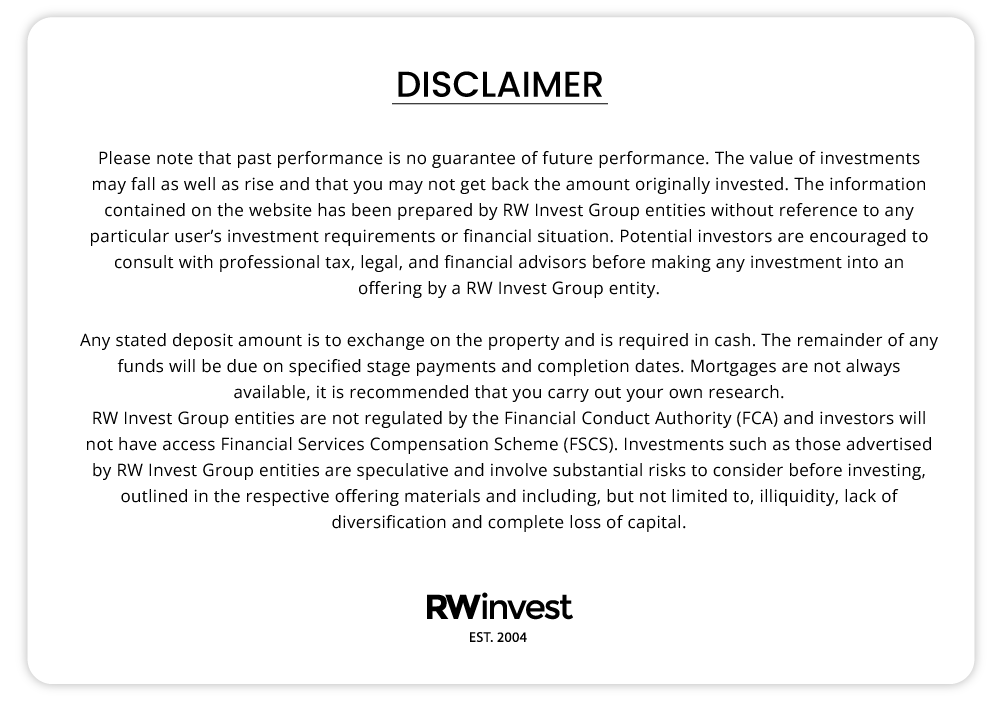
Remember that property investment involves risk. Property values and rental income can go down as well as up, and investors may not get back the amount originally invested. Nothing in this article should be read as a guarantee of returns, profit, or future performance.

Share: