Autumn Budget 2025 - Growth Opportunities in Northern Regeneration Zones
Don’t miss out on the best new investment deals. Enter your details now to sign up to our mailing list and receive exclusive information straight to your inbox.
How the Latest Budget Has Put the North Back in Focus For Investors
The 2025 Autumn Budget did far more than simply adjust tax bands and fine-tune reliefs – it also set out a long-term roadmap for anticipated growth in the UK property market.
In her November statement, Chancellor Rachel Reeves confirmed that at least £13bn of flexible funding will flow to England’s Mayoral Strategic Authorities between 2026 and 2030, with around £811m of a £1.3bn National Housing Delivery Fund earmarked specifically for the North.
One recurring theme throughout the Budget was the focus on regional regeneration, brownfield site redevelopment, and devolved funding settlements, backed by additional tools such as a £902m Local Growth Fund and a £500m Mayoral Revolving Growth Fund for Northern and Midlands Mayors. For property investors, these regeneration zones are viewed as offering accessible entry prices and the potential for future value uplift thanks to policy-backed investment running into the tens of billions over the rest of this decade.
In this blog, we’ll explore the key areas in the north of England that have been earmarked for financial backing in the years to come. We’ll also look at why these areas stand out in terms of long-term capital growth potential, and outline the various opportunities they could hold for investors.
*As with all RWinvest blog content, this article is for information purposes only and should only be considered alongside independent professional advice and your own individual circumstances. All growth figures stated are projections and are not guaranteed.
Invest in an Exciting Greater Manchester Regeneration Zone - From £269,950
Luxury investment opportunity near the £2billion Old Trafford regeneration scheme. Short-term lets approved with projected NET yields from 8% and premium onsite facilities such as a luxury spa.

Why Northern Regeneration Zones are Important
Northern regeneration zones bring together three of the most powerful drivers of long-term capital growth:
- Sustained government investment
- Targeted infrastructure upgrades
- Government commitment to ‘levelling up’
With major funding streams now being channelled into strategic city regions and brownfield sites across the North, these areas are expected to see an influx of new homes, transport links, and employment hubs in the next 5-10 years.
For investors, this matters because regeneration very rarely moves in a straight line. Instead, value can build in stages as planning permission, transport projects, and large-scale developments pick up pace. Areas designated for focused regeneration often benefit from improved amenities and rising demand well before schemes are fully completed, which can help support both rental performance and capital appreciation.
What also makes the North particularly attractive to investors is its affordability and comparatively low entry prices versus southern markets. This key combination of affordability today and policy-backed potential tomorrow is exactly what many long-term investors look for when readying their portfolio for the next market cycle.
The Ultimate Guide to Buy-to-Let Investment
Is investing in buy-to-let a smart move? Download our essential guide for the latest insights on buy-to-let in 2026, packed with practical advice for beginners.

Greater Manchester
Greater Manchester is undoubtedly one of the clearest beneficiaries of the government’s post-Budget push towards devolved growth and regeneration, with a share of the new integrated settlements and growth funds sitting alongside a separate £1bn Good Growth programme recently announced by local leaders. The first £400m wave of that plan alone is expected to help deliver almost 3,000 new homes, more than 22,000 jobs, and around 2m sq. ft of employment space across Greater Manchester.
For investors, the key attraction here is the combination of an already deep rental market with a significant pipeline of regeneration and transport projects across central Manchester, Salford, and the surrounding towns and boroughs – many of which are being directly supported by the Good Growth scheme, too.
Against that backdrop, several specific zones within Greater Manchester now stand out as focal points for potential future growth, supported by long-term funding commitments and local development frameworks.
Manchester City Centre & Victoria North
The Victoria North programme and adjacent city-centre district are set to deliver tens of thousands of new homes over the coming years, alongside new public spaces, community facilities, and improved links into the city’s core commercial area. This large-scale brownfield regeneration aims to effectively extend the city centre northwards, creating new neighbourhoods that could benefit from strong rental demand and capital appreciation as the area matures.
Salford Quays & the Irwell Corridor
Around Salford Quays, MediaCityUK, and the River Irwell, continued investment in mixed-use waterfront schemes, cultural venues, and employment space is helping to consolidate the area as a key digital and media hub. Residential developments close to tram stops and waterside amenities are likely to remain a core focus for both residents and investors as regeneration projects progress further.
Old Trafford
Old Trafford is set to benefit from the proposed new £2bn 100,000-seater Manchester United stadium and the wider ‘masterplan’ surrounding the football club’s historic home. Greater Manchester Mayor Andy Burnham has labelled the Old Trafford plans as “the biggest opportunity for urban regeneration this country has seen since London 2012,” completely reshaping the area into a vibrant year-round destination beyond just matchdays.
Stockport
The regeneration of Stockport town centre is transforming underused retail and brownfield land into new residential neighbourhoods and workspaces surrounding the main railway station. Stockport’s strategic hub status is also set to be reinforced further by plans to extend the Manchester Metrolink network to the town, which, if delivered as planned, could further improve connectivity into the regional centre and give the town more long-term appeal among commuters.
Liverpool City Region
The Liverpool City Region is another clear winner from the government’s post-Budget focus on regeneration and growth. The combination of major waterfront regeneration, expanding city centre employment space, and targeted funding for transport and housing is helping Liverpool cement its status as a core economic and cultural hub for the North West.
From an investor point of view, the attraction of the Liverpool City Region lies in the combination of relatively affordable pricing and growing wave of regeneration and infrastructure activity across the city centre, docklands, and surrounding boroughs.
A number of distinct neighbourhoods and city corridors are beginning to emerge as stand-out prospects, where major masterplans, new workplaces, and upgraded connectivity are set to reshape how people live and work in and around Liverpool.
Liverpool City Centre & Commercial District
Liverpool’s main commercial district and core city centre neighbourhoods continue to evolve, with ongoing investment in high-quality office space, hospitality, retail, and residential schemes close to key transport hubs like Lime Street Station and the Waterfront. This concentration of jobs, amenities, and higher-density living is helping to strengthen the rental market for high-end apartments in the heart of the city.
Liverpool Waterfront & Docks
Along the city’s famous waterfront and historic docklands, long-running regeneration is being reinforced by new investment into mixed-use schemes that blend residential, leisure, cultural, and commercial uses.
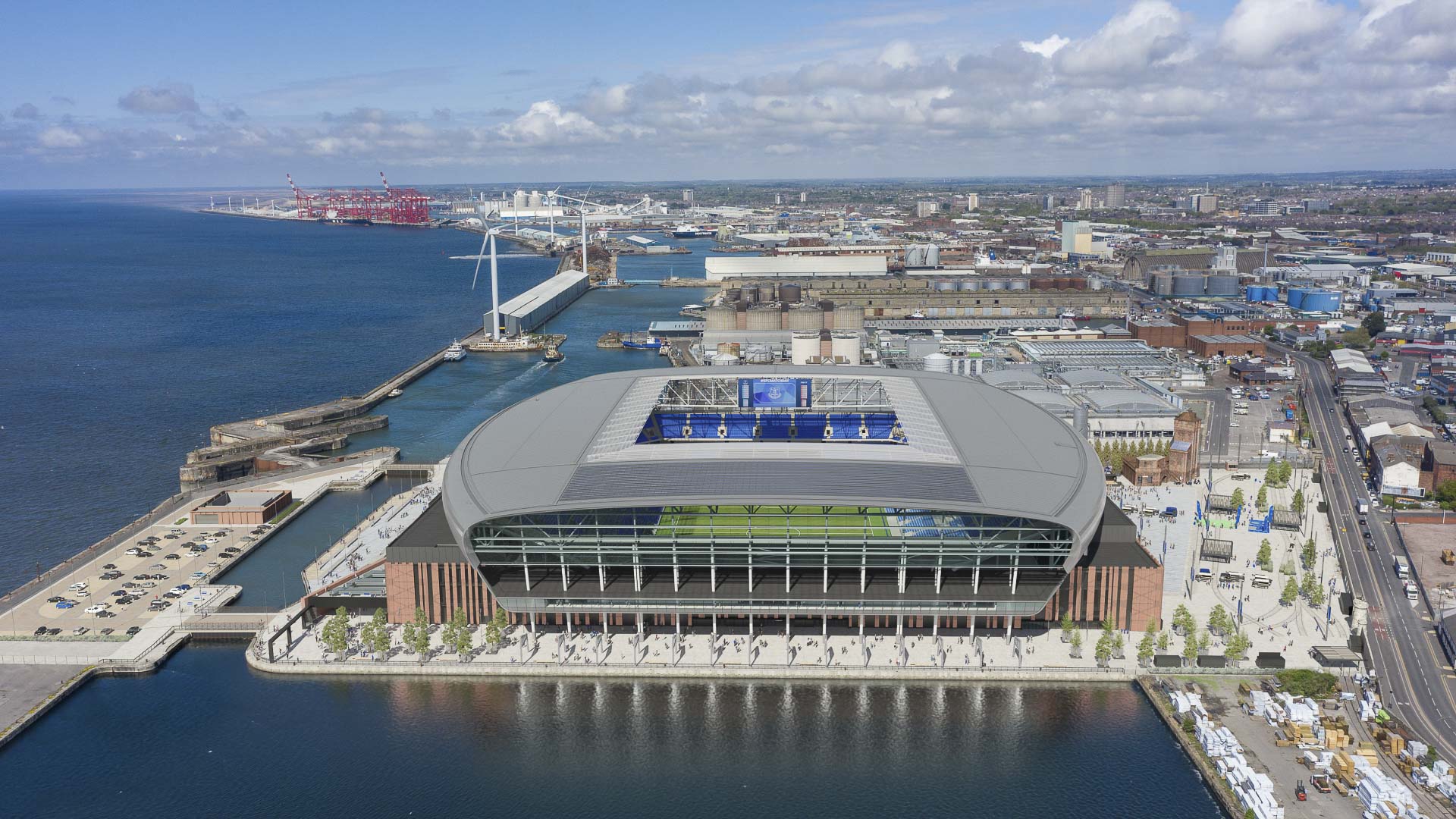
High-profile waterfront projects like the £5bn Liverpool Waters scheme, anchored by Everton’s new 52,000-seat stadium at Bramley-Moore Dock, and adjacent neighbourhoods aim to transform former industrial and port land into modern urban quarters, with an emphasis on design, public spaces, and connectivity back into the city centre.
Knowledge Quarter & Innovation District
Just to the east of the traditional city centre, Liverpool’s Knowledge Quarter continues to attract investment into education, healthcare, life sciences, and tech. The presence of major universities, hospitals, and research facilities supports year-round demand from students, young professionals, and key workers, creating a deep and diverse rental pool.
Wirral Waters & Birkenhead
Across the Mersey, the Wirral Waters and Birkenhead regeneration areas form one of the largest brownfield opportunities in the North. The Birkenhead 2040 Framework aims to guide the delivery of up to 21,000 new homes and around 10m sq. ft of commercial space town-wide, with early phases already supported by more than £24m of Future High Streets funding and significant investment at Wirral Waters.
Wider City Region Growth Hubs
Beyond the core waterfront and city centre districts, the Liverpool City Region contains several additional growth hubs in boroughs such as Sefton, Knowsley, Halton, and St. Helens, where town centre renewal, logistics and advanced manufacturing investment, and key transport upgrades are all on the agenda. These locations can offer a nice blend of lower entry prices, solid local employment bases, and improving connectivity back into central Liverpool.

Leeds & West Yorkshire
West Yorkshire, and Leeds in particular, is firmly in the spotlight following the 2025 Autumn Budget, with long-term devolution deals, business rates retention, and targeted housing and infrastructure funding all reinforcing the region’s role as a key economic engine for the North.
For investors, the appeal of Leeds and the wider West Yorkshire region lies in its combination of strong fundamentals and clear growth plans. The region offers a mix of established city rental markets, emerging regeneration districts, and value-led satellite towns, many of which are set to benefit from widespread upgrades to transport, public realm, and employment space over the next five years and beyond.
Several distinct urban quarters and growth corridors, in particular, stand out as key areas to watch following the Budget, with new plans in place to reshape the landscape in this part of the North.
Leeds City Centre
Leeds city centre continues to see significant investment in high-quality office space, residential developments, and mixed-use schemes around key hubs like the financial district, Leeds Station, and the South Bank. This densification of jobs, amenities, and high-spec housing is helping reinforce the city’s position as a prime regional business centre with a growing rental demand.
Leeds South Bank & Riverside
Just to the south of the city centre, the Leeds South Bank and riverside districts form one of the largest regeneration zones in the country, with plans in place for thousands of new homes, public spaces, and expanded cultural and educational facilities. As disused industrial land along the River Aire is repurposed into modern urban neighbourhoods, large-scale residential schemes in this area are likely to benefit from both improved amenities and growing rental demand over the next five years and beyond.
The South Bank was treated as a flagship regeneration area in the Autumn Budget, linked to the new Leeds City Fund and wider growth strategy. This fund aims to retain business growth in Leeds city centre for the next 25 years, with the South Bank highlighted as a leading candidate for substantial new housing and infrastructure as part of this.
Bradford
The city of Bradford is undergoing a multi-year transformation around its core, including new residential, public, and commercial developments clustered near the two main city centre train stations. As infrastructure and public realm improvements continue to take hold, Bradford’s relative affordability and improving connectivity to Leeds and Manchester could position it as an attractive medium to long-term bet for value-conscious investors.
Connected West Yorkshire Towns
Across Wakefield, Huddersfield, Halifax, and other well-connected West Yorkshire towns, ongoing regeneration of town centres and former industrial sites is gradually reshaping local housing markets. Projects focusing on modernising retail hubs and introducing new residential blocks close to train stations are set to further strengthen commuter links into Leeds, solidifying future demand for quality rental stock.
South Yorkshire
Remaining in the UK’s largest county, South Yorkshire is also increasingly being positioned as a key part of the government’s wider regeneration and devolution agenda, particularly after the Budget – with targeted support for brownfield site redevelopment, new housing, and skills and infrastructure investment across the region’s main urban centres.
Anchored by Sheffield but also including the nearby Barnsley, Doncaster, and Rotherham, South Yorkshire boasts a strong industrial and manufacturing base with a growing city centre living scene and improving connectivity, helping drive increased rental demand.
From an investor perspective, the attraction, again, lies in the relatively accessible entry prices compared with many other major UK city regions, alongside a growing pipeline of regeneration and transport projects intended to unlock stalled sites and breathe new life into town and city centres.

North East
The North East is moving further up the list as one of the UK’s key regions for long-term regeneration, with fresh backing for housing delivery, skills, and new infrastructure across centres such as Newcastle, Gateshead, Sunderland, Durham, and the Tees Valley.
A strong foundation in sectors like advanced manufacturing, ports, clean energy, and logistics adds to the North East’s appeal, helping to support a steady base of employment to underpin the housing market.
Newcastle & Gateshead
A mix of projects are reshaping the central urban areas around Newcastle and Gateshead, from riverside sites to land near to major rail and local Metro hubs. Mixed-use schemes, public real upgrades, and new office and cultural space are all supporting growing demand for modern apartments and amenities.
Tees Valley
In the Tees Valley, ongoing efforts to reimagine town centres and waterfront locations are particularly visible in and around areas like Stockton-on-Tees and Middlesbrough. Stockton-on-Tees, in particular, has been highlighted as an emerging hotspot, where comparatively low values combined with regeneration and improving amenities give investors an opportunity to access early-stage growth at attractive price points.
Sunderland
Sunderland and other nearby coastal communities are also benefitting from investment linked to the automotive, offshore wind, and wider clean-energy industries, coupled with city centre and riverside renewal similar to that seen in Newcastle, putting Sunderland in a prime spot to attract demand in the coming years.
What Does the Budget Mean for Northern-Focused Investors?
For investors specifically targeting the North of England, the 2025 Autumn Budget creates a much more supportive backdrop than the headline tax rises might suggest, with policy now clearly geared towards long-term regeneration in key city regions.
Multi-year housing, brownfield, and growth funds are being directed into places like Greater Manchester, the Liverpool City Region, West & South Yorkshire, and the North East, backing integrated plans for new homes, infrastructure, and jobs.
This effectively maps out a series of priority Northern regeneration zones, where both public and private capital are aligned. Strategically located assets close to city centres, transport hubs, and major employment sites are potentially well placed to benefit from the increased rental demand and capital growth projected for these areas.
Regions like the North East and Yorkshire, for example, are projected to see 28.8% capital growth by 2030 (according to Savills), while the North West is not far behind with a projected growth of 27.6% in the same timeframe.
Meanwhile, stable stamp duty and a favourable Capital Gains Tax regime following the Budget gives investors ample room to focus on careful asset and location selection rather than short-term policy shocks.



As Seen On



Share:


RWinvest Awards










Want to Get in Touch?
Fill in the form to contact us today and a member of our award-winning property team will be in touch to help.

It will be my third investment apartment with RW Invest and I cannot recommend them highly enough. Sean Orrett and Chloe Walker really do go the extra mile. Chloe in particular helped me through a particularly hard time with solicitors and all the paperwork that was involved. Living in a different country and negotiating all the nuances that come with investing, she negotiated with ease and gusto. A big thanks to you both.


Daniel Stewart, has assisted me every step of the way. This is my first property purchase and so took Daniel up on his offer to guide me through every step no matter how small. I felt comforted to have his assistance in documents I needed to both understand and sign. Couldn't be happier with the help and customer care I have received so far.


We highly recommend RW Invest to anyone looking for an experienced, reliable and knowledgeable professional company.
We are more than delighted with their services throughout the entire process. They provided us with extremely helpful advice and guidance every step of the way and ensured that we understood all aspects involved in securing a property through them.

Chloe is very helpful. She has been a great help and solved all the difficulties I had with the purchase. I am happy she was there to help with the process. Very approachable and responsible.

This was my second unit purchase with RWinvest, and I found the team to be very helpful in finding the best deal which suited my needs and budget. Arjun Surana, Adam Burns were really processional in answering all questions, Excellent follow up and ensures your property purchase are smooth from the start to end and supporting throughout the purchase/exchange of contract process.
I highly recommend anyone to purchase their property with RWinvest.