
What Do Liverpool Renters Look for in a Rental Property?
Anyone evaluating Liverpool investment property opportunities should understand what local renters value before deciding which type of property to purchase. From students and graduates to professionals and families, different tenant groups have different priorities, making it important to match a property with the expectations of its likely occupants.
What Shapes Rental Demand in Liverpool?
According to the Office for National Statistics (ONS), people aged 25 to 34 remain the largest age group in the UK’s private rented sector. This demographic helps shape demand across Liverpool’s rental market, where graduates and working professionals are joined by students and families looking for different types of accommodation.
As a result, there is no single formula for creating an attractive rental property. Preferences vary depending on factors such as age, employment, household size and lifestyle, with some tenants prioritising proximity to workplaces or universities while others focus on space, convenience or longer-term suitability.
Investors who understand these differences are often better placed to select properties that align with local demand and appeal to the right tenant market.

What Do Students, Graduates and Professionals Look For?
Students, graduates and professionals often place convenience at the top of their list when searching for rental accommodation. Easy access to the University of Liverpool, Liverpool John Moores University and major employment areas can be an important factor, while many tenants also value reliable public transport and the ability to walk or cycle to work, study or everyday amenities.
City-centre apartments are therefore particularly popular with renters seeking quick access to offices, retail, restaurants and leisure facilities without relying on a car.
Practical features can be just as important as location. Reliable broadband has become an essential requirement for many households, particularly those working from home for part of the week.
Furnished or part-furnished apartments can also appeal to graduates and professionals relocating to Liverpool, while a separate area for working from home may help distinguish a property in an increasingly competitive rental market. Rather than offering expensive upgrades, landlords can often improve a property’s appeal by focusing on features that support modern working and day-to-day convenience.

What Matters Most to Families and Long-Term Renters?
Families and longer-term renters often prioritise different features from those sought by city-centre tenants. Larger living areas, additional bedrooms, outdoor space and convenient parking frequently become more important than immediate access to Liverpool’s commercial districts. Many households also value proximity to schools, supermarkets, healthcare services and parks, making established suburban neighbourhoods particularly attractive for longer-term tenancies.
Affordability is also an important consideration for many households. Official ONS data reveals that the average monthly private rent in Liverpool was £909 in July 2026, compared with £965 across the North West.
While Liverpool remains relatively affordable by regional standards, tenants still expect well-maintained homes that offer good value for money. Investors who understand these priorities can better match the type of property they purchase with the needs of their target market, helping to support sustained occupancy over time.
RWinvest Investment Finder
Find the Perfect Investment for you.
Which Property Features Add the Most Value?
The features that attract tenants are not always the most expensive ones to provide. Fast and reliable broadband, practical storage, modern kitchens and bathrooms, secure entry systems and good energy efficiency are now widely expected across much of the rental market.
Flexible living space that can accommodate hybrid working may also appeal to professionals, while secure bike storage, parking or outdoor space can be important depending on the property’s location and target tenant.
Rather than investing heavily in premium finishes or unnecessary extras, landlords are often better served by focusing on practical improvements that appeal to the widest range of prospective tenants.
Well-maintained interiors, energy-efficient fixtures and fittings, secure entrances and reliable utilities can all help a property remain competitive without significantly increasing ownership costs. Matching improvements to the expectations of the intended tenant market is often more effective than trying to include every possible feature.
City Centre Apartments or Suburban Houses?
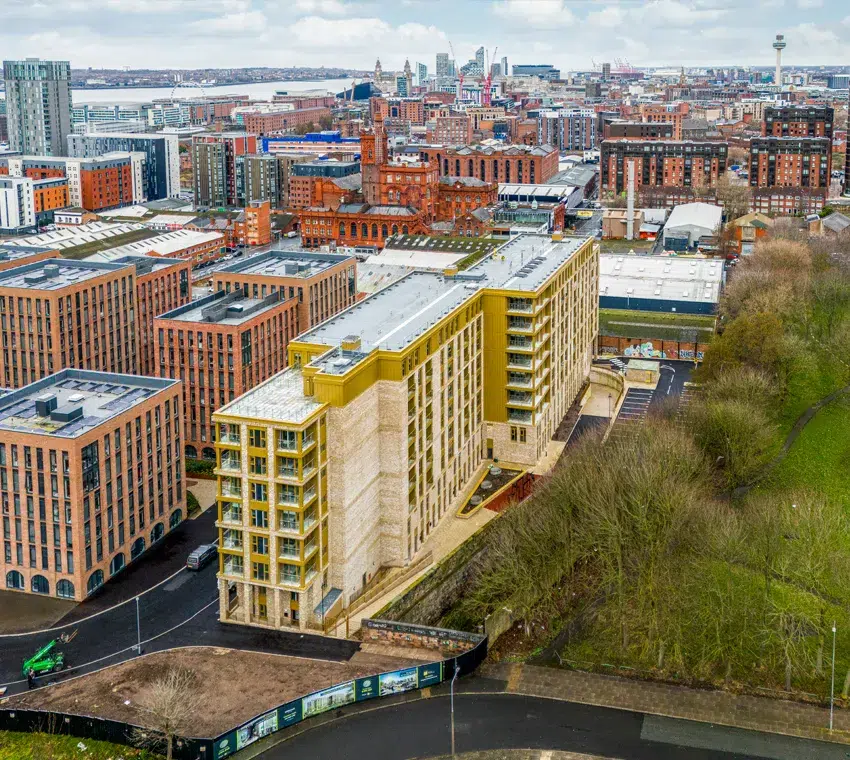
Tenant expectations often differ according to the type of property they are renting. City-centre apartments typically appeal to students, graduates and professionals seeking convenient access to workplaces, universities, shops and entertainment.
Features such as secure access, lift facilities, communal amenities and low-maintenance living can therefore be particularly attractive in apartment developments. Investors considering Liverpool off-plan investment opportunities will often find these features incorporated into modern city-centre developments, reflecting the preferences of the tenant groups they are designed to attract.
Suburban houses generally appeal to a different tenant profile. Families and longer-term renters may place greater importance on additional bedrooms, private gardens, parking and proximity to schools or green spaces than on city-centre convenience.
Rather than trying to appeal to every type of renter, landlords are often better served by matching a property’s features to the expectations of its most likely tenant market, helping to support occupancy while avoiding unnecessary expenditure on improvements that add limited value.

How Can Landlords Improve Occupancy Without Overspending?
Improving a rental property’s appeal does not always require major expenditure. Well-maintained interiors, neutral décor, reliable broadband, modern lighting and good energy efficiency can often make a stronger impression than expensive cosmetic upgrades.
Investors purchasing Liverpool buy-to-let property should focus on improvements that reflect the expectations of their target tenants, helping to support occupancy while keeping ongoing ownership costs under control.

What Does This Mean for Liverpool Investors?
There is no single checklist that appeals to every renter in Liverpool. Students, professionals and families each prioritise different features, making it important to match the property, location and specification to the intended tenant market.
By understanding what different households value most, investors can make more informed purchasing decisions and create rental properties that remain attractive in a competitive market without investing in unnecessary extras. Focusing on practical improvements and realistic tenant expectations can also help support occupancy over the longer term while making the most of available investment budgets.
Conclusion
Understanding what Liverpool renters value can help investors choose properties that better match local demand and support long-term occupancy. Request a consultation with the RWinvest team to discuss Liverpool investment opportunities and identify buy-to-let properties that align with your investment goals.
Contact Us
Want to Get in Touch?
Fill in the form to contact us today and a member of our award-winning property team will be in touch to help.

It will be my third investment apartment with RW Invest and I cannot recommend them highly enough. Sean Orrett and Chloe Walker really do go the extra mile. Chloe in particular helped me through a particularly hard time with solicitors and all the paperwork that was involved. Living in a different country and negotiating all the nuances that come with investing, she negotiated with ease and gusto. A big thanks to you both.


Daniel Stewart, has assisted me every step of the way. This is my first property purchase and so took Daniel up on his offer to guide me through every step no matter how small. I felt comforted to have his assistance in documents I needed to both understand and sign. Couldn't be happier with the help and customer care I have received so far.


We highly recommend RW Invest to anyone looking for an experienced, reliable and knowledgeable professional company.
We are more than delighted with their services throughout the entire process. They provided us with extremely helpful advice and guidance every step of the way and ensured that we understood all aspects involved in securing a property through them.

Chloe is very helpful. She has been a great help and solved all the difficulties I had with the purchase. I am happy she was there to help with the process. Very approachable and responsible.

This was my second unit purchase with RWinvest, and I found the team to be very helpful in finding the best deal which suited my needs and budget. Arjun Surana, Adam Burns were really processional in answering all questions, Excellent follow up and ensures your property purchase are smooth from the start to end and supporting throughout the purchase/exchange of contract process.
I highly recommend anyone to purchase their property with RWinvest.



Share:


- What Shapes Rental Demand in Liverpool?
- What Do Students, Graduates and Professionals Look For?
- What Matters Most to Families and Long-Term Renters?
- Which Property Features Add the Most Value?
- City Centre Apartments or Suburban Houses?
- How Can Landlords Improve Occupancy Without Overspending?
- What Does This Mean for Liverpool Investors?
- Conclusion