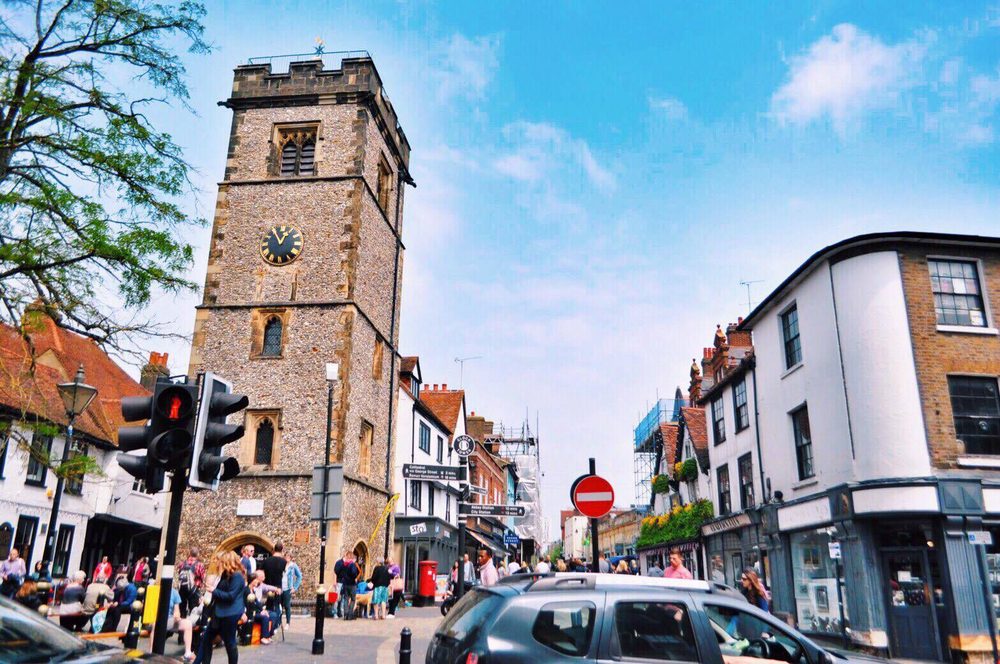
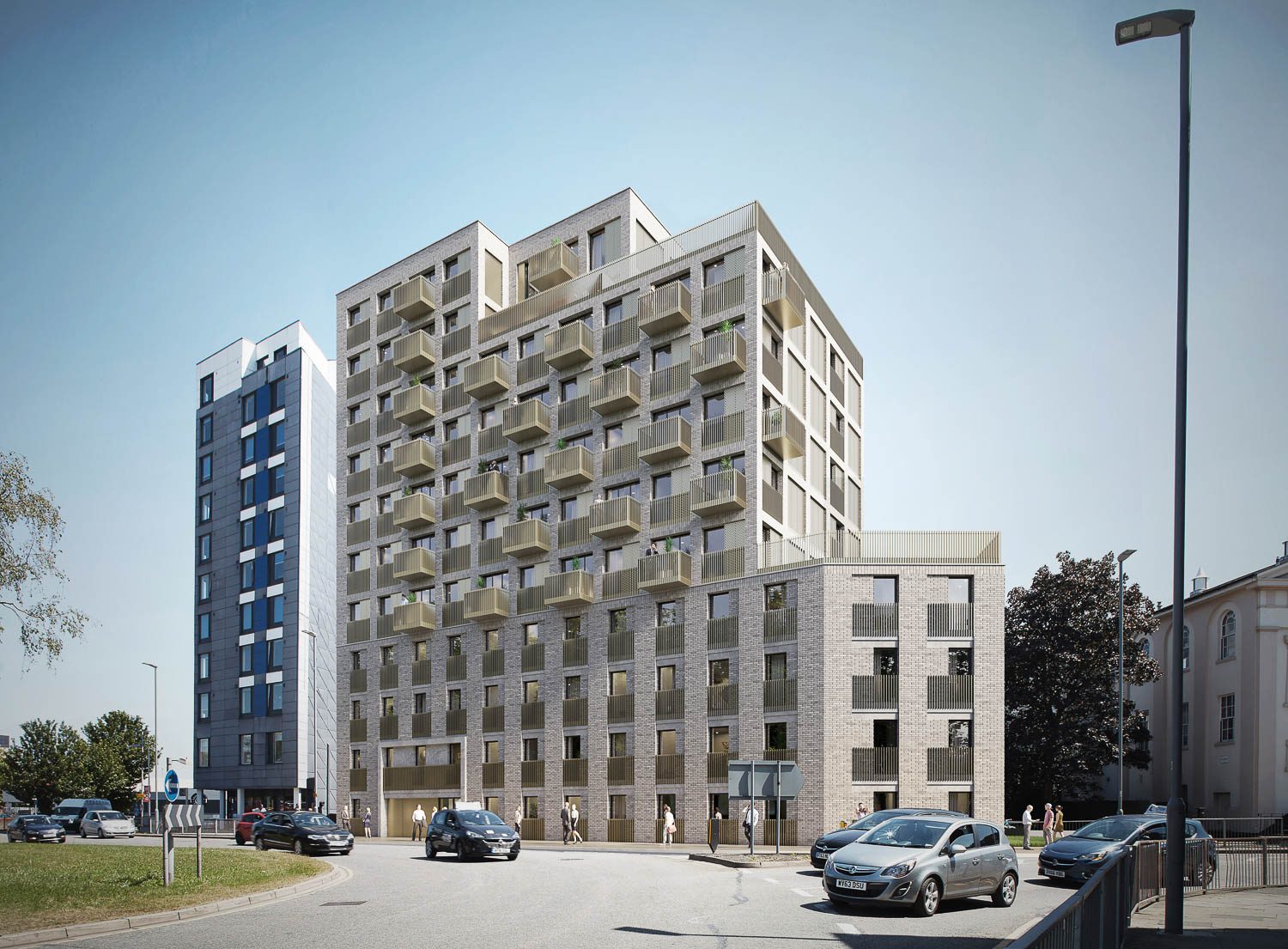
Luxury Living on London Commuter Belt
The Hive, Luton
Prices from £239,950
- Just 23 Minutes From Central London
- 5% Projected Rental Yields
- Major Regeneration Zone
Explore Property Investment in Luton: A Commuter Market Backed by Connectivity and Demand
Positioned just over 30 minutes from central London by rail, Luton combines commuter appeal with lower entry prices than many South East towns.
View PropertiesInvestment property for sale in Luton reflects the town’s dual role as a London commuter base and regional employment centre. Demand is supported by direct rail services to London St Pancras, proximity to the M1 corridor and the presence of London Luton Airport, one of the UK’s busiest airports.
RWinvest sources Luton investment properties and developments in other established UK locations where rental demand is already proven. Each opportunity is assessed using local housing data, tenant demand indicators and long-term market context. This approach allows investors to compare investment property for sale in Luton based on structural demand rather than short-term pricing trends.
Bank an instant £5K discount on your next property investment with us. Sign up now to find out more.
One of the primary advantages of property investment in Luton is relative affordability. The most recent HM Land Registry and ONS data show average property prices in Luton at around £280,000, compared with well over £550,000 in Greater London, giving investors access to a significant South East commuter town at roughly half the cost of buying in the capital.
Rental demand is another defining strength. ONS rental data for 2025 and early 2026 highlight continued upward pressure on rents across the East of England, with average monthly rents in Luton rising to just over £1,200 and a higher-than-average share of households in the private rented sector.
Luton has benefited from migration out of London into more affordable commuter locations, helping to make it a particularly strong buy-to-let area for tenants seeking connectivity without central London pricing.
Additional advantages include:
Luton’s market fundamentals are therefore shaped by connectivity, employment and affordability rather than speculative growth assumptions.
Location within Luton plays a central role in rental performance. Properties close to Luton Airport Parkway station, the town centre or major transport routes typically attract commuter and airport-linked tenants. Accessibility often influences achievable rents and occupancy consistency.
Property type should align with local tenant profiles. Compact apartments purchased off-plan, for example, may suit young professionals and aviation workers, while larger homes can appeal to families seeking access to London without inner-city living costs. Matching layout and size to local demand supports stable rental income.
Specification is increasingly relevant, too. Modern kitchens, efficient heating systems and strong EPC ratings are now standard expectations among renters. Energy efficiency is particularly important as tenants prioritise lower running costs. New-build or recently refurbished properties can therefore hold a competitive advantage.
Those interested in investing in Luton property should also review wider development plans. Luton has seen continued regeneration around its town centre, including transport and commercial investment. Monitoring infrastructure upgrades and employment growth trends helps identify areas positioned for sustained rental relevance.
Rental yields in Luton reflect the balance between strong South East demand and comparatively moderate purchase prices. Current data indicates gross rental yields typically sit in the 4-6% range, varying by postcode and property type, with commuter-focused locations often delivering stronger returns than central London due to lower entry costs.
Recent ONS figures show average monthly rents in Luton at around £1,205 as of early 2026, up close to 4% over the past year, with one-bed properties in particular letting for just under £900 per month. This growth has been underpinned by tight rental supply and continued tenant migration from higher-cost London boroughs, helping commuter markets like Luton remain resilient during wider economic fluctuations.
Property prices in Luton have also shown notable long-term growth, with average values now in the high-£200,000s after a decade of steady appreciation. However, performance can vary significantly between neighbourhoods, and past results do not guarantee future success.
For investors assessing opportunities in today’s market, micro-location remains critical. Proximity to transport hubs, regeneration schemes, and major employment clusters can materially influence both yields and capital growth, meaning investors often gain most by focusing on specific high-demand neighbourhoods rather than headline town-wide averages.
Is investing in buy-to-let a smart move? Download our essential guide for the latest insights on buy-to-let in 2026, packed with practical advice for beginners.
While locations like Liverpool, Manchester, and London will typically enter the minds of property investors, one area you may not have thought about is Luton.
This Bedfordshire town has rapidly increased in popularity over recent years and has quickly cemented itself as one of the best up-and-coming areas to invest in property.
But why has property investment in Luton become so popular?
There are currently eight popular reasons why so many investors choose to invest in Luton buy-to-let property.
They are:
Let’s explore these eight reasons in detail so you know why so many investors are now choosing Luton property investment.
As one of the best property investment opportunities in 2026, Luton is an exciting prospect for investors.
If you want to buy a property in Luton, you can expect to find some affordable prices.
According to the latest Land Registry figures, the average property price in Luton is around the £280,000 mark.
This is an unbelievable price given the fact the town is only half an hour away from London by train, with average prices almost half that of the capital!
Compared to other popular southern investment locations, Luton buy-to-let remains firmly on top for affordability. Average purchase prices sit well below many neighbouring commuter towns.
Recent research from major lenders and buy-to-let trackers continues to highlight Luton among the strongest locations for long-term landlord returns and one of the the more accessible markets for first-time buyers.
If you’re looking for a property close to London, you’re unlikely to find prices and yield potential that balance as well as they do in Luton, meaning a purchase here is still one of the better-value deals in the south of the UK.
When it comes to capital growth, Luton offers a compelling solution for investors looking at southern investments.
Savills projects that the East of England will see capital growth of around 19.3% by 2030.
An exciting aspect of Luton property investment and Luton buy-to-let is the regeneration potential of the Luton area.
A big part of the growth seen in Luton property prices has been the wealth of regeneration on offer in the town, outlined in the Luton 2040 vision.
The Luton population has risen significantly over the past decade, with more people choosing to live and work in the town. The 2021 census recorded around 225,000 residents, and local estimates now put the figure closer to 235,000.
There has been a clear, sustained increase in Luton’s population, widely attributed to the town’s extensive regeneration programme, expanding employment base, and improved transport connectivity.
Currently, the top regeneration efforts in and around Luton are:
Aside from these main developments, other work includes the New Century Park in East Luton, which will create around 3,000 jobs.
In both 2018 and 2019, Luton was voted the ultimate London commuter town by estate agents Jackson-Stops, thanks to its combination of value and connectivity. That reputation has persisted ever since, underpinned by excellent air, rail, and road links.
London Luton Airport now handles around 17-18 million passengers a year and supports thousands of local jobs, with plans to lift its capacity further over the coming years.
Luton sits beside the M1 with easy access to the M25 and A1, and benefits from fast rail links into London St Pancras in as little as 22 minutes on direct services, plus connections onto Eurostar routes at St Pancras International.
For local travel, the dedicated Luton-Dunstable busway continues to connect key destinations including the town centre, London Luton Airport, Houghton Regis, and Dunstable, with frequent services throughout the day.
Taken together, these transport links explain why Luton is still widely viewed as one of the ultimate commuter towns for those working in and around London.
The lifeblood of any investment is demand, and when it comes to property investment in Luton, there is plenty of demand to go around.
Renters from across the southern UK regions have started to move to Luton to take advantage of the low rental prices on offer.
According to ONS, the average rent in Luton is currently around £1,205 PCM.
In comparison, the average rent in London is around £2,270 PCM.
Good news for investors, too, as Luton currently cannot keep up with this demand.
The town is currently building 430 new homes per year, but experts estimate this number needs to increase to 1,417 homes to meet demand.
This is good news because it shows long-term tenant demand, which will likely result in further house price growth and expanding rental yields in the process.
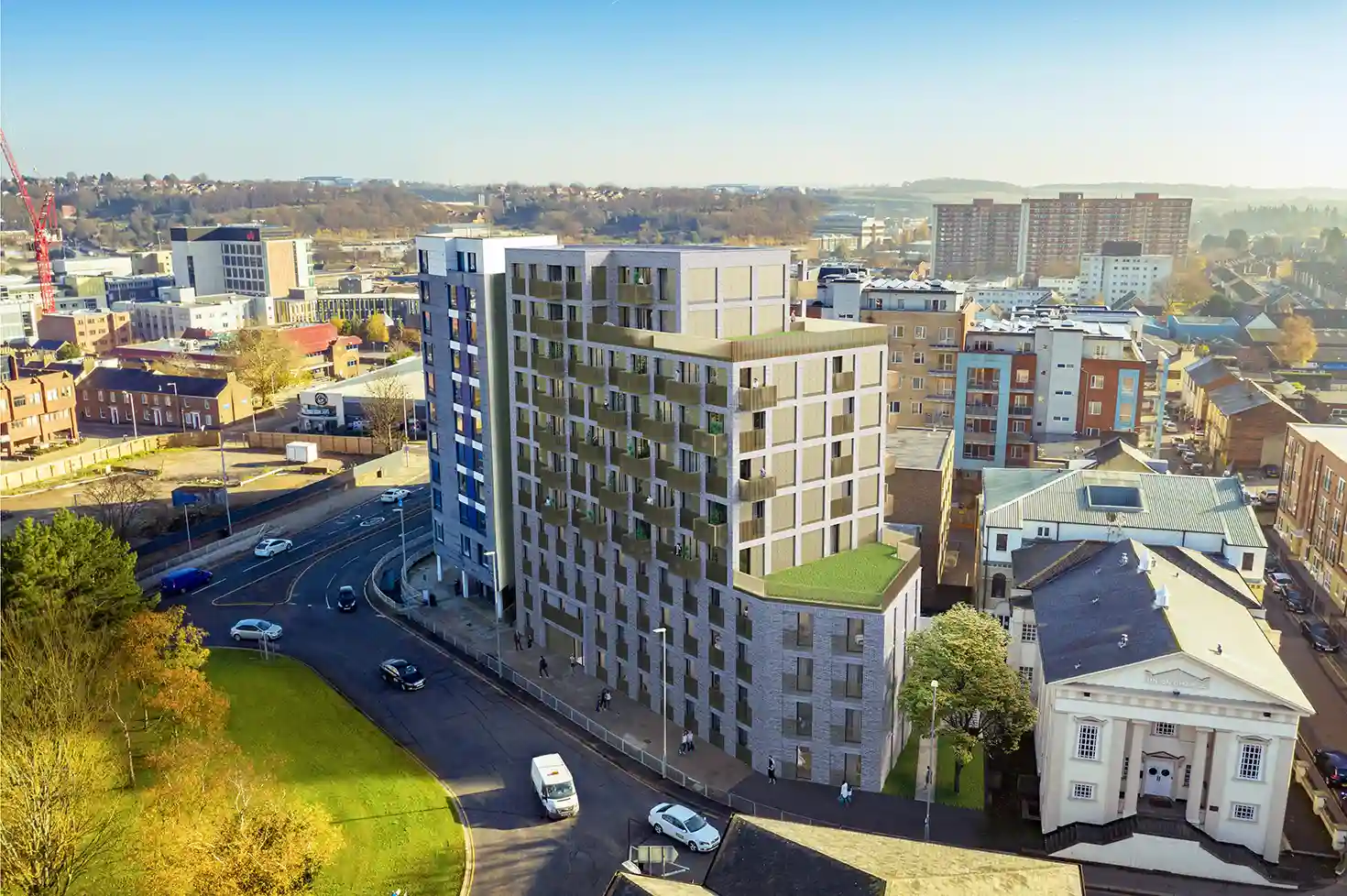
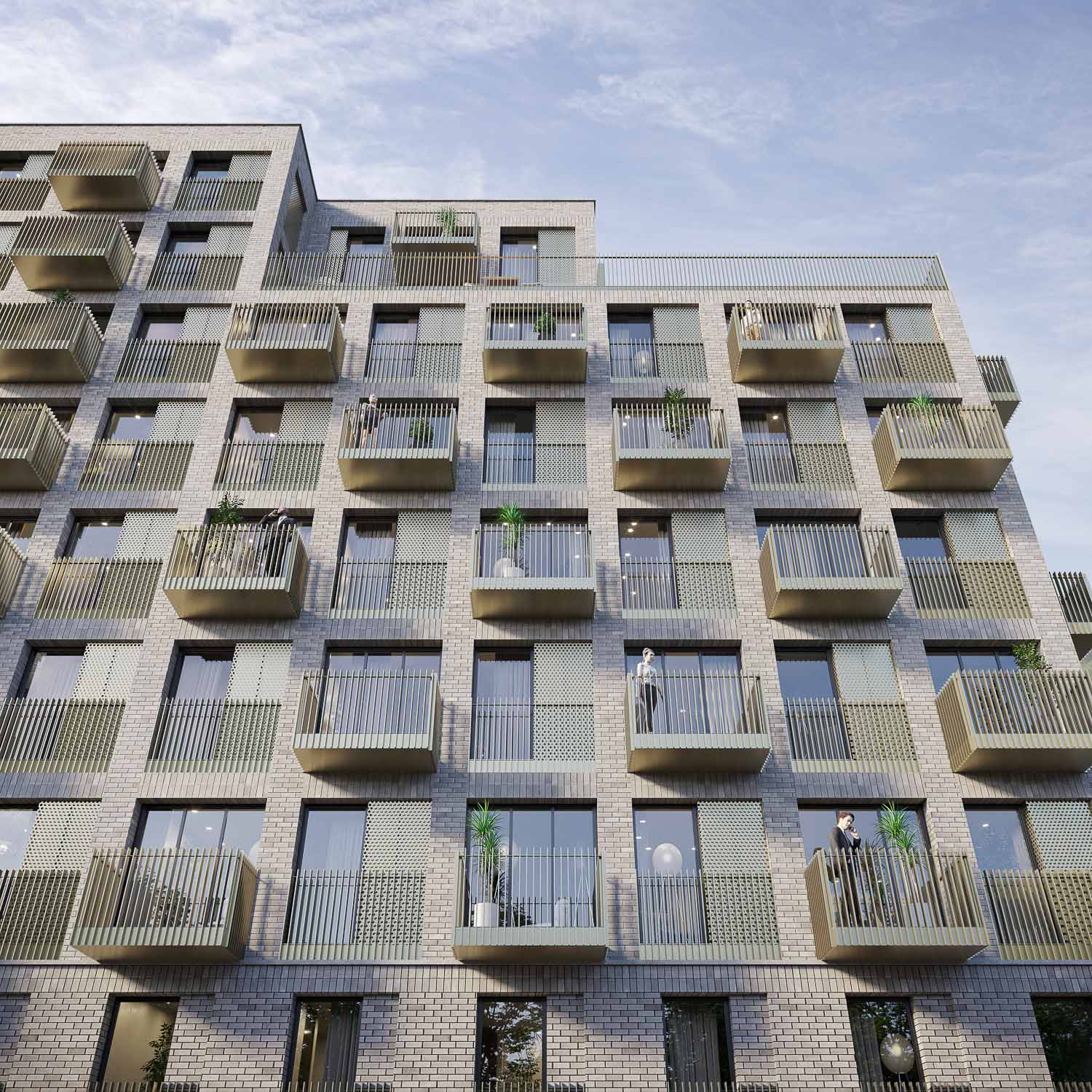
This makes any new Luton developments an even hotter commodity, such as The Hive – a brand-new Luton residential project.
While the town of Luton is attracting plenty of young professionals thanks to the employment opportunities on offer, you may be surprised to hear that Luton also has an emerging student population.
The University of Bedfordshire currently attracts around 14,000 students across six separate campuses, one of which is in central Luton.
This campus attracts around 3,200 undergraduates and 1,700 postgraduates to Luton town centre, making the region a hotspot for student property investment in Luton.
Ongoing regeneration work has also propelled the Luton student market even further, with the construction of a £37 million STEM building and a £46 million library.
A significant component behind Luton’s popularity amongst both students and young professionals are the employment opportunities on offer.
Due to Luton’s reputation as a commuter hotspot, more and more businesses have chosen to set up shop in the region to attract the 23 million people within two hours of the town.
Firstly, the town is home to the likes of Vauxhall Motors, EasyJet, Astra Zeneca, and much more.
The Butterfield Technology Park sits alongside the Innovation Centre and Business Base, which features over 100 businesses.
That’s not to mention London Luton Airport, one of the UK’s fastest-growing airports.
Overall, Luton has a varied employment background in engineering, pharmaceuticals, automotive, and aviation industries that all call the town home.
Recent capital growth for property investors in Luton has been impressive, and the forward-looking data remains encouraging.
Savills’ latest UK house price forecasts indicate that the East of England region, which includes Luton, could see values rise by around 19-20% over the next five years.
While this forecast is for the wider region rather than Luton specifically, the town’s relative affordability and strong commuter fundamentals suggest local prices have the potential to outperform these averages. Over the same period, London is projected to see a much slower rate of growth – broadly in the 13-17% range – keeping the capital well behind many other regions in percentage terms.
For investors, this combination of solid regional growth expectations, strong rental demand, and Luton’s established commuter reputation continues to make the town an appealing option to buy into before the next phase of price increases feeds fully through.
Learn whether 2026 is a good year to invest with our key predictions for the year ahead, as well as a look back on 2025 and how the market performed. Download your essential guide now!
If you want to make the best investment in Luton, it’s essential to research the best areas to invest.
This is because not every area is the same for investment. Some regions generate higher returns and demand from residents.
With this in mind, we’ve made a list of Luton’s best buy-to-let areas so you know exactly where to invest.
Keep reading to see the best places to invest in Luton, with the latest house prices Luton offers.
Avg. House Price: £305,000-325,000
Avg. Gross Rental Yield: 3.7%
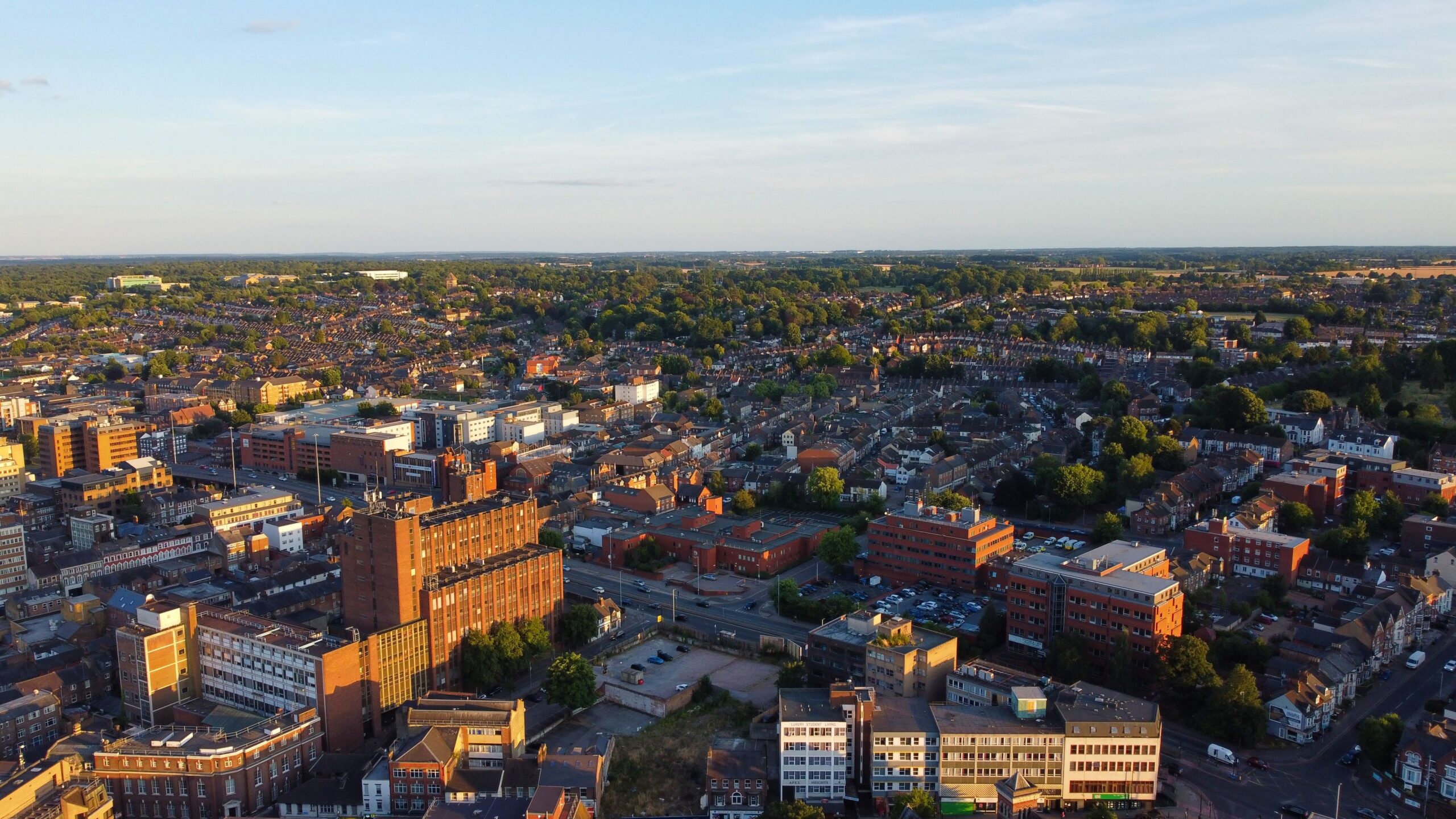
At Luton’s epicentre, central Luton is a fantastic location for those looking for the best places to invest in Luton.
Containing wards like Dallow, Farley, and South, the LU1 postcode currently offers the most affordable property prices on this list.
Better yet, the region has seen property prices grow by a whopping 56% in the last 10 years, according to Zoopla.
There’s a good reason behind this sizeable growth, too.
Not only is LU1 home to the University of Bedfordshire, making student property investment booming, but the region is also blessed with world-class transport links.
London is just 22 minutes away from Luton town centre, with railway connections to Leeds and Sheffield, all the way to Brighton and Gatwick. For this reason, LU1 is likely the best place to buy investment property in Luton.
Avg. House Price: £340,000-355,000
Avg. Gross Rental Yield: 4.8%
Another area widely considered one of the best areas to invest in property in Luton is the LU2 postcode.
Home to areas like Crawley, High Town, Round Green, Stopsley, and Wigmore, LU2 is a more affluent Luton area, and this is clearly seen in the property prices.
You can expect average house prices to sit more in the £340-350k bracket here – which, again, is significantly more than a decade ago.
LU2 is also the site of London Luton Airport, which is a massive contributor to employment in the area.
Avg. House Price: £335,000-355,000
Avg. Gross Rental Yield: 4.8%
The third area in our list of the best places to buy property in Luton is the LU3 postcode.
Found to the north of the town, LU3 features Barnfield, Biscot, Bramingham, Limbury, Northwell, Saints, and Sundon Park.
A popular family area, this leafy area sees average house prices between £335k and £355k, with its most popular house type being semi-detached houses.
Avg. House Price: £300,ooo-320,000
Avg. Gross Rental Yield: 4.3%
The final postcode on our list is LU4.
Found to the west of Luton, LU4 consists of areas like Challney and Lewsey, and is a popular area for commuters thanks to the nearby access to the M1.
Another area considered one of the best areas in Luton to live, LU4 has a bunch of grade-listed buildings, making it a charming part of Luton, and property prices have risen strongly here over the past decade.
Avg. House Price: £315,000-355,000
Avg. Gross Rental Yield: 4%
Although not technically in Luton, Dunstable is a nearby town worth considering when looking at the Luton area.
Found across the M1, Dunstable has a robust commercial backbone with plenty of jobs on offer from Amazon and Superdrug.
Notably, a recent new junction added to the M1, the 11a, has freed up more land in the area.
This leaves the potential for future regeneration in the Dunstable area, with 5,000 new homes already planned for the coming years.
However, while gross rental yields are far higher, it’s NET yields that you should be interested in, with some Luton properties offering incredibly high NET yields.
The Hive, for instance, currently generates NET yields of over 5%.

A big question you should ask yourself before investing is: “Is Luton a good place to live?”
While on the surface, Luton property investment is compelling, you need to know if people want to live in the area.
To help answer the question “is Luton a good place to live” here are five facts about living in Luton and the wider area.
Here you find what the town has to offer, along with its history, so you can see if your Luton property will generate enough tenant demand.
When you think of Luton, it’s unlikely that you will think of Brazil.
And yet, the Luton International Carnival celebrates all things Brazil with a huge cultural event in the town.
From musical performances to plenty of dancers, the large carnival event is held traditionally on the late May Bank Holiday, and is a huge hit amongst residents and tourists alike.
Hat-making and Luton go hand in hand.
Did you know that back in the 1700s, hat-making was Luton’s biggest industry?
This past can still be felt today with the new Hat District and Luton’s local football club, Luton Town FC, nicknamed “The Hatters.”
London Luton Airport is one of the top five busiest airports in the UK and is actually the fourth biggest in London.
Millions of passengers use the airport each year, which now flies to over 60 destinations across the globe.
While the town can trace its existence back to the 6th century when founded by the Anglo-Saxons, there’s evidence of Luton existing for a lot earlier before then – 250,000 years earlier, in fact!
Around Round Green and Mixes Hill, evidence has been found of settlements heralding from the Palaeolithic area, dating back a quarter of a million years.
Luton offers huge potential for investors. Average private rents in the town have risen by around 40-45% since 2020 alone, far outpacing wage growth and reflecting one of the stronger rental uplift stories in the UK.
The Hive, Luton, offers 5% projected yields and competitive prices in a top regeneration area on London's commuter belt. Enquire today for details on best remaining units.
If you’re looking for the latest Luton investment property for sale, then you’ve come to the right place.
Our brand-new Luton investment property, The Hive, offers 5% NET returns from just £179,950.
Take a look below to learn more about this fantastic investment.
Located just 22 minutes from London, this contemporary Luton investment offers all the luxury of the capital but at a fraction of the price.
With floor-to-ceiling windows, an on-site gym and a state-of-the-art health and wellness centre, this new development is set to be the talk of Luton town.
Contact us today to reserve your unit.
Hurry fast, as there are only 67 apartments available in The Hive, with our analysts estimating stock will sell out fast thanks to luxury facilities and a world-class location.
So, who exactly is RWinvest, and why should you buy Luton property for sale with us?
RWinvest is a property investment company specialising in residential and student off-plan property.
Nominated as Business of the Year in 2021 and crowned North West Property Business of the Year in 2020, RWinvest has since gone on to win multiple awards, including the UK’s Best Real Estate Agency and Property Investment Company of the Year titles between 2023 and 2025.
With a head office in Liverpool and branches in Manchester, London, and Dubai, RWinvest is perfectly positioned to analyse local markets across the UK and source some of the strongest opportunities for property investors.
But don’t just take our word for it.
With over 75,000 investors and 1,000 five-star reviews, our 21+ years of experience mean we are the number one destination for finding investment opportunities in Luton.
So, if you’re interested in property in Luton and want to find some amazing Luton buy-to-let investments, be sure to contact us today.
Investing in Luton property through RWinvest is centred on research and alignment with demand fundamentals. Developments are introduced based on rental market strength, tenant profiles and location characteristics rather than speculative narratives.
Investors are provided with contextual information, tips and guidance, including local housing trends, comparable market performance and development specifications. This enables objective comparison between Luton investment properties and alternatives across other UK markets.
Support remains available throughout the process, from reservation through to completion and entry into the rental market. This structured approach suits investors seeking hands-off exposure to UK property while maintaining clarity around asset positioning and demand drivers.
Fill in the form to contact us today and a member of our award-winning property team will be in touch to help.
Some of the best areas to live in Luton include Wigmore, Stopsley, and Leagrave.
According to the UK House Price Index, the average property price in Luton is currently around £280,000.
Yes, Luton is widely considered a good place to invest in property.
It was twice named the best commuter hotspot by estate agents Jackson Stops and was voted the best buy-to-let location for three consecutive years by LendInvest.
No, there is currently no available data to suggest that Luton house prices are falling. In fact, quite the opposite is happening, with consistent growth recorded in the town over the past decade.
Yes, Luton house prices are likely to rise, according to market experts. Savills has projected 19.3% capital growth in the East of England (which includes Luton) by 2030.
Currently, Luton is one of the more affordable places to live in the South of England.
The average house price in Luton is around £280,000, which while higher than the UK national average, is still significantly lower than London prices.
Luton is often considered attractive due to its proximity to London, established commuter links, and comparatively lower property prices. Rental demand is supported by employment connected to aviation, logistics and healthcare alongside London commuters.
Luton’s direct rail services to London St Pancras in around 30 minutes, access to the M1 motorway, and proximity to London Luton Airport strengthen commuter and employment-led demand. This connectivity underpins consistent tenant interest in investment property in Luton.
Fill in the form to contact us today and a member of our award-winning property team will be in touch to help.